The Door Says Open. The Website Says Maybe: A Festive Hours Check for UK Small Firms
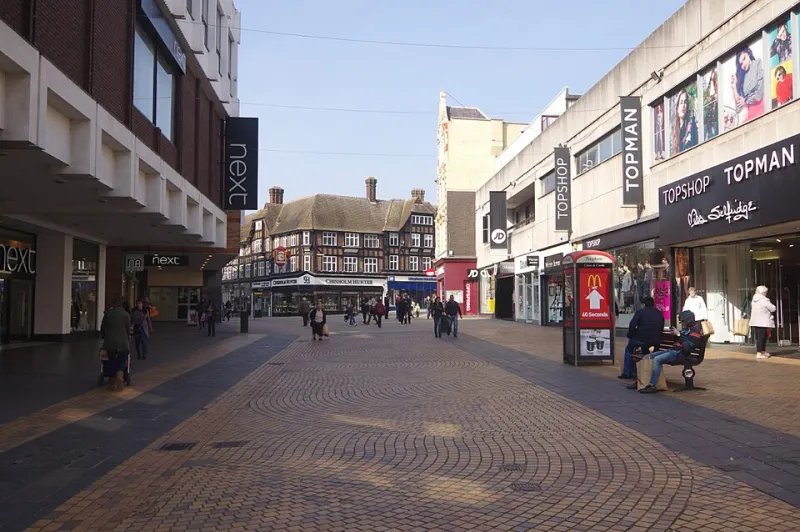
Photo: Stephen McKay , CC BY-SA 2.0, via Wikimedia Commons
By mid-November, the Christmas lights are up, the mince pies are in, and half the country is already trying to work out who is open when. For UK small firms, this is the moment festive hours start to drift away from normal ones. And that drift is where trust quietly leaks out.
A customer checks your Google listing on the bus. It says 9am. They check your website on the walk from the car park. It says 10am. They arrive at 9.15am, see a handwritten sign taped to the door saying “Back at 10”, and decide to go to the place down the road instead. No one was rude. No one made a mistake worth firing anyone over. But the brand promise was broken before a conversation even started.
That is the odd thing about opening hours. They look like admin. They behave like brand identity.
Hours are a promise, not a spreadsheet
Most small firms treat opening hours as a back-office detail. Something to update when someone remembers. But customers read hours as a commitment. They plan around them. They book time off, pay for parking, drag children into town, or save a lunch break for your shop. When the hours are wrong, the customer does not think “ah, a minor data inconsistency”. They think “this place is a bit chaotic” or “they don’t really know what they’re doing”.
Festive hours make this worse because they are temporary, irregular and different from what people expect. Late-night shopping. Closed Mondays. Shut between Christmas and New Year. A random Sunday opening for the market. If your normal hours are the steady drumbeat, December is the jazz solo. And jazz needs rehearsal.
Where the cracks usually show
The frustrating part is that most inconsistencies are not dramatic. They are small, boring and completely fixable. The usual suspects:
- Google Business Profile still showing term-time hours, or missing the “special hours” update for Christmas Eve and New Year’s Eve.
- The website with a festive banner that says “see you in the new year” while the contact page still says normal hours.
- Social bios with old opening times, because nobody wants to fiddle with Instagram at 11pm.
- The door sign in biro, with a date range that is technically correct but impossible to read from two metres away.
- Voicemail with a cheerful “we’re open Monday to Friday, 9 to 5” message recorded in March.
- Email auto-replies that promise a response within 24 hours while the studio is closed for a week.
- Booking systems and delivery apps that still allow slots when you are not there.
- Staff who are lovely but have not been told that Tuesday is now a late night.
Each one is small. Together they create a fuzzy picture of a business that has not quite got its act together. That is not the brand most owners think they are running.
The ten-minute festive hours audit
You do not need a consultant or a software rollout for this. You need a cup of tea, a phone and a bit of honesty. Here is the checklist we would run today:
- Write down your actual festive hours. Not the ones you meant to set. The ones you will genuinely work. Include Christmas Eve, Boxing Day, New Year’s Eve, bank holidays and any odd local late-night events.
- Open Google Business Profile in a private browser. Check the main hours and add special hours for each exception. Do it now, not on 23 December.
- Check the website. The homepage, contact page and any “visit us” page should match. If you have a festive hours page, link to it from the header.
- Look at your social bios. Update the bio text and pin a post with the full festive hours. A story is fine, but stories vanish. A pinned post stays put.
- Ring your own phone. Listen to the voicemail greeting. If it says normal hours, re-record it. Keep it short: dates, hours, and when you will be back.
- Send yourself an email. Read the auto-reply. Remove vague promises like “we’ll be back soon” and replace them with a date.
- Stand outside your door. Can you read the sign from the pavement? Does it cover the whole festive period? Is it dated? A sign that says “Closed for Christmas” without dates is just a rumour.
- Check third-party listings. Yell, TripAdvisor, Deliveroo, Just Eat, booking platforms, market directories. If you cannot update them quickly, at least know what they say.
- Brief the team. One page, plain English, stuck in the back office. Everyone should be able to answer “are you open on the 27th?” without guessing.
- Set a reminder for 2 January. Update everything back. The January reset is where the next inconsistency begins.
How to communicate temporary changes without a megaphone
The temptation is to over-explain. You do not need a paragraph. You need clarity, dates and a bit of warmth. A good festive hours message sounds like a person, not a council notice.
Try this structure: “We’re open until 4pm on Christmas Eve, closed 25–28 December, back on the 29th. Normal hours from 2 January.” That is it. Put it on the door, the website, Google and the voicemail. Use the same wording everywhere. Repetition is not laziness. Repetition is how people remember.
For high street shops, a simple A4 sign in the window with large dates works better than a beautiful design that nobody can read. For studios and trades, the auto-reply and voicemail matter more, because people are often trying to book or check a job. For market traders, a pinned social post and an updated Google listing can save a wasted trip.
The trust maths
Every inconsistent opening time is a tiny withdrawal from the brand account. Most customers will not complain. They will just quietly adjust their behaviour. They will ring ahead next time. They will check the website with suspicion. Or they will stop checking altogether and go somewhere that feels more reliable.
Getting festive hours right will not make anyone’s Christmas. But getting them wrong can undo a year of good work. The good news is that this is one of the cheapest brand fixes available. No redesign. No new photoshoot. Just a careful check that the door, the website and the phone all agree.
Do it this week, while there is still time to be believed.